Choose a manageable excerpt
Pick a clip with audible speech and as little background noise as possible. Note any names or specialist terms you expect to hear.
Audio to text
Use free transcribe for a first draft of spoken words, then listen back and correct names, numbers, and unclear passages. A short, clear clip is the easiest place to begin.
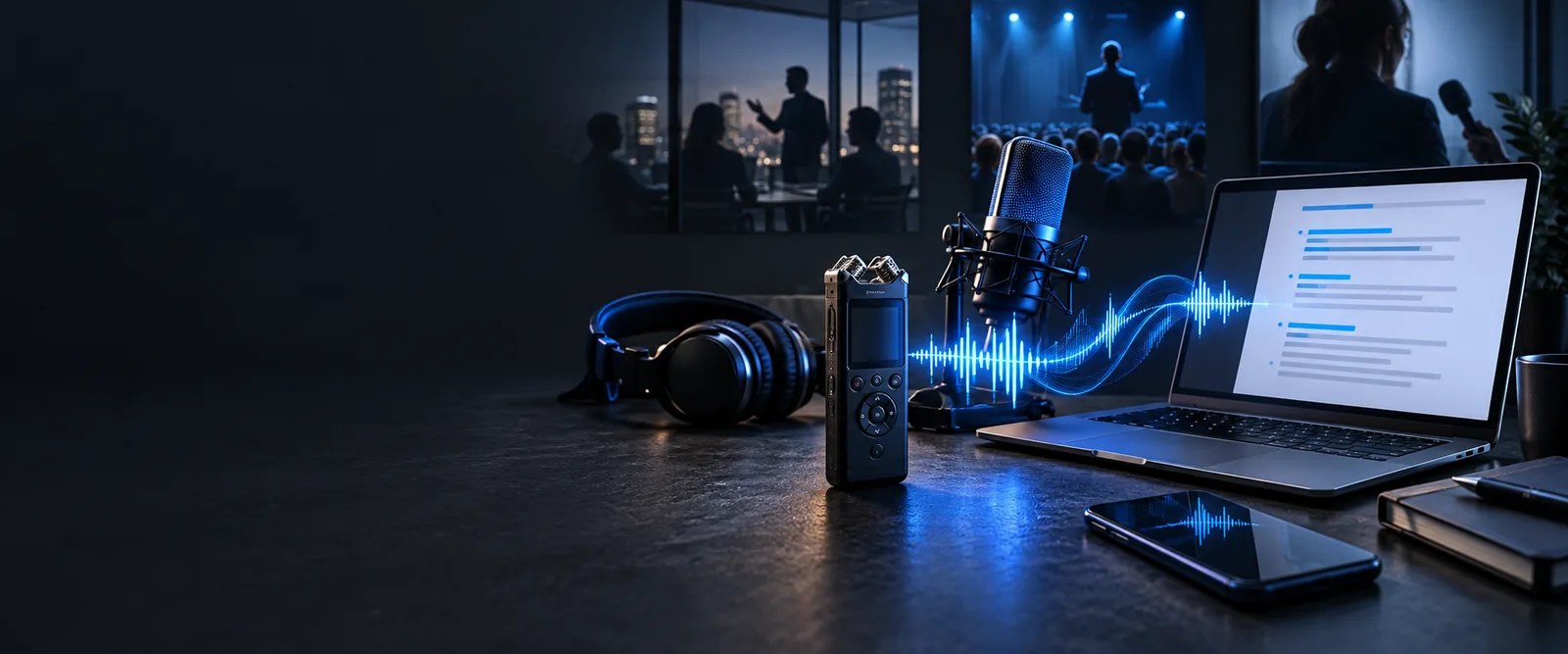
This page focuses on making a first pass without a paid commitment. Choose a neighboring route if your main concern is where you work or what kind of recording you have.
Check the route focused specifically on starting without creating an account.
Explore the browser-based route when working online is your main priority.
Follow the input-to-output route for preparing audio and checking its written result.
A free starting point helps you test the basic task, not skip the work of verifying a transcript.
A draft may mishear a quiet word or combine two speakers. Do not treat a plausible sentence as proof of what was said.
WorkaroundReplay the source at the disputed point and correct the text before quoting it.
Available duration, file types, and export options can vary at the tool you open. This page does not establish a universal allowance.
WorkaroundCheck the tool's current conditions and split a long recording at natural pauses if needed.
Transcribe output may need speaker labels, punctuation, and consistent spelling before someone else can use it.
WorkaroundMake a separate editing pass after checking the words against the audio.
Keep the source recording close so you can verify the draft instead of relying on memory.
Pick a clip with audible speech and as little background noise as possible. Note any names or specialist terms you expect to hear.
Open the tool and provide the recording using its available input method. Ask it to mark uncertain words rather than fill gaps with confident guesses.
Compare the text with the recording from beginning to end. Fix speaker changes, numbers, and proper nouns before using or sharing the result.
The free entry point changes how you begin; it does not change what a reliable transcript requires. This table compares the questions each route helps you answer.
Free entry point
Can I make a useful first draft without a paid commitment?
General transcription route
How do I turn this recording into accurate written text?
Free entry point
A short excerpt that lets you judge the result
General transcription route
A recording selected for the full task
Free entry point
Confirm any current free-use conditions before submitting audio
General transcription route
Check the available input method and supported format
Free entry point
Do not assume the entire file can be handled in one pass
General transcription route
Plan the transcription and review in workable sections
Free entry point
Treat the output as a draft to test
General transcription route
Treat the output as a draft to verify against the source
Free entry point
Decide whether the result is useful for your needs
General transcription route
Edit wording, speaker turns, and formatting for the reader
The useful change is not just seeing words on a screen. It is having text you can check against the source, amend, and organize for its eventual reader.
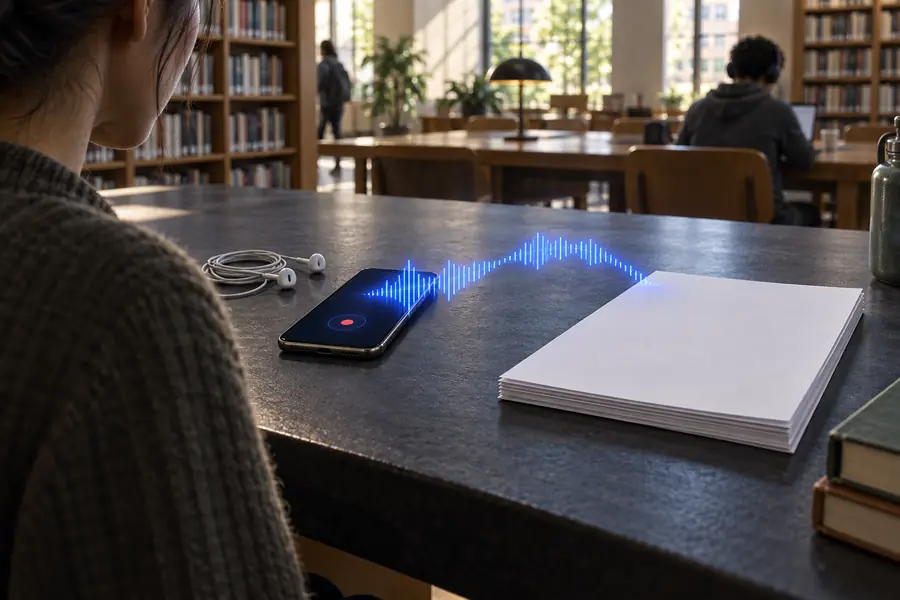
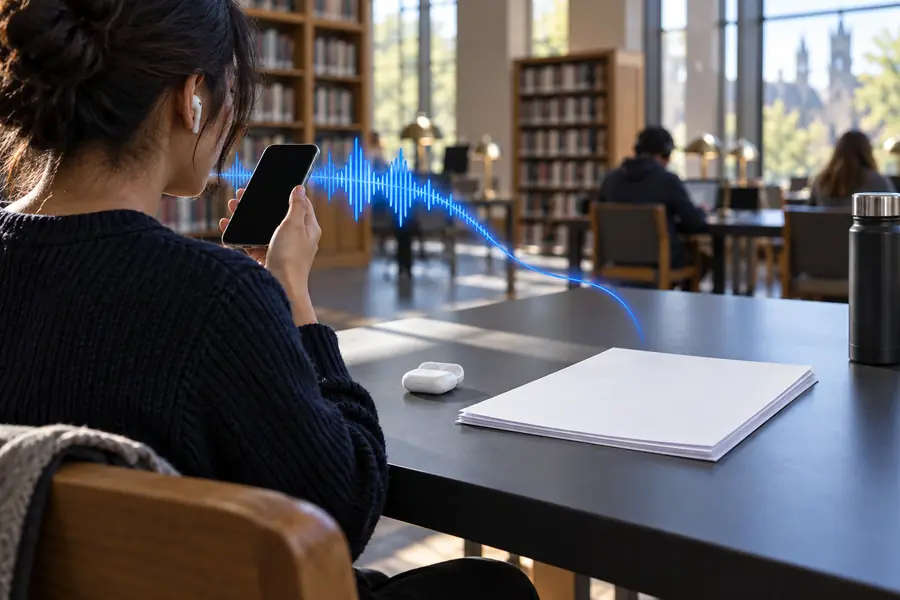
Illustrative route imagery; it is not a sample transcript or a guarantee of output quality.
A trial excerpt is most useful when you already know what you need to verify afterward.
You have a short conversation and need a searchable draft before writing a summary.
Check each quotation and speaker change against the recording; use transcribe online free when browser access is the deciding factor.
transcribe online freeYou want to test an excerpt without setting up a separate workflow.
Confirm the current access conditions first; free transcribe audio to text no sign up focuses on that specific concern.
free transcribe audio to text no sign upYou need a draft of spoken observations that can be searched while reviewing the source.
Mark uncertain terms and verify them in context; transcribe audio to text covers the recording-to-draft process.
transcribe audio to textOpen the transcription tool, provide your recording, and ask for uncertain words to be marked. Use the result as working text until you have listened back and corrected it.
You can start by testing an excerpt, but do not assume a full interview fits the tool's current free-use conditions. Check any duration or file restrictions before submitting a long recording. Review each section against the audio, especially where speakers overlap.
A transcript is a draft, not an independently verified quotation. Replay the relevant audio and check names, numbers, and the words around any pause or interruption before quoting it.
Choose a short clip with one clearly audible speaker and limited background noise. It is easier to judge whether the result is useful when you can compare every sentence with the recording.
Listen again to the affected passage and correct only what you can hear. Mark an unresolved word as unclear instead of inventing one; if possible, try a cleaner excerpt of the same passage.