1
Prepare the audio and choose a style
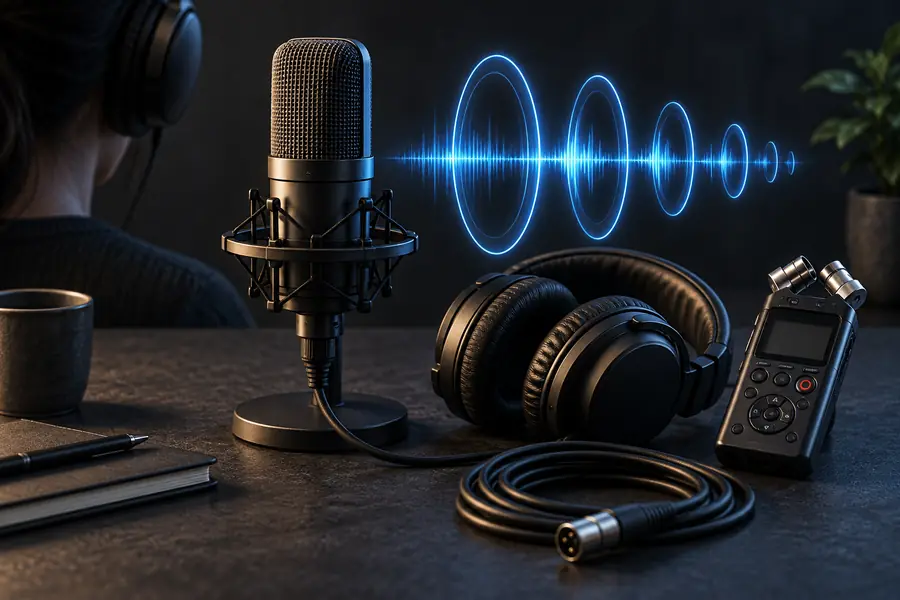
Open the recording and check that it plays all the way through. If you have several files, name them so you know their order. Decide whether you need verbatim text, which retains fillers and false starts, or a cleaned transcript that removes them. Note the language and any known speaker names, but do not invent labels for voices you cannot identify.
2
Submit it and request a draft
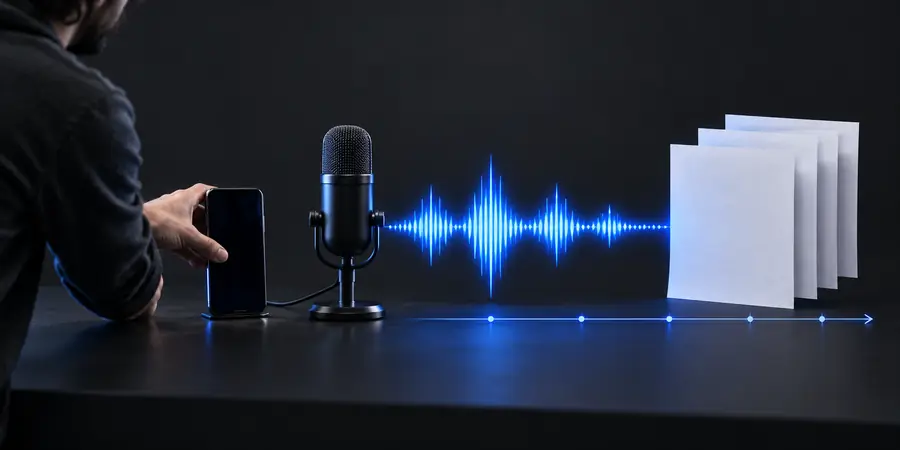
Use a transcription workflow that accepts your recording, then state your chosen style. Ask for speaker separation only if more than one person speaks, and request explicit markers for uncertain words instead of silent guesses. If the service offers a live-input option, use it for an ongoing conversation; for an existing file, process the recording itself so you can replay the source later.
3
Listen while you edit the transcript
Read the draft with the audio playing. Check the first and last sentences, then sample each change of speaker and every passage that seems oddly phrased. Correct names, dates, and numbers against the recording. If a word remains unintelligible, keep an uncertainty marker. Save the reviewed text in the format your reader needs rather than treating the first draft as final.